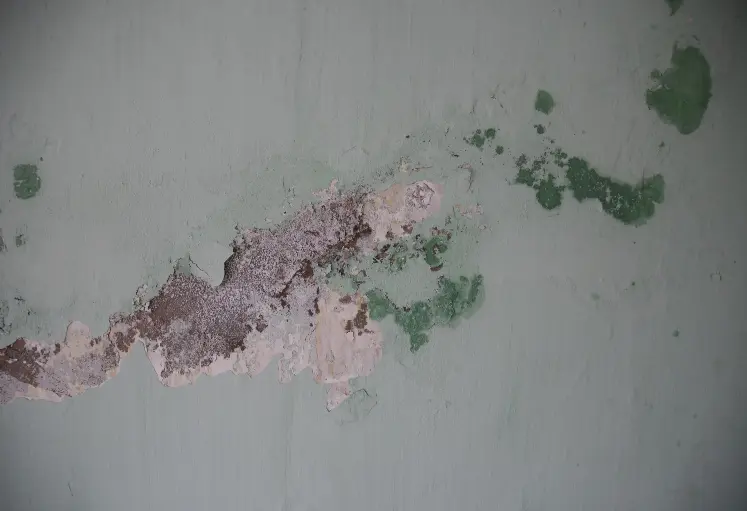
Rainy days are more inconvenient for homeowners, especially because there is dirt everywhere. On a rainy day, there are higher incidents of messes thanks to rain boots, raincoats, and damp bags, which encourage the growth of bacteria and microorganisms that can lead to diseases. This emphasises the importance of maintaining a clean home, particularly during this time of year.
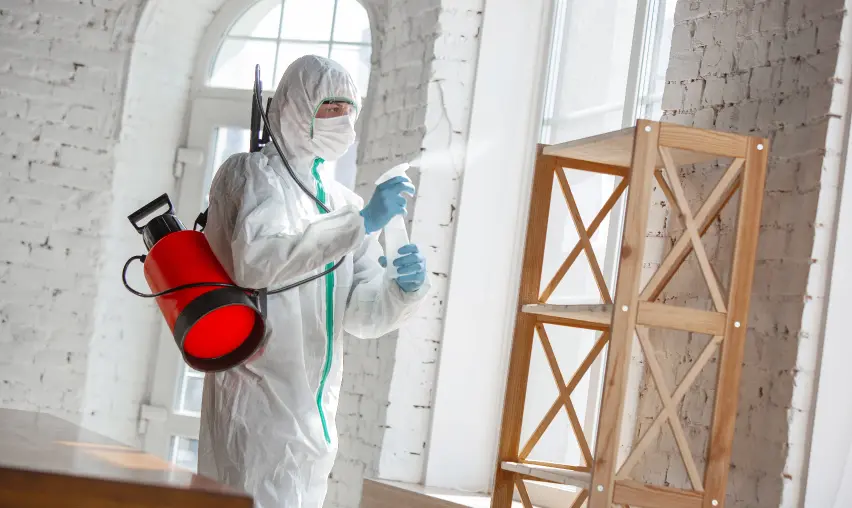
Mold growth is best controlled by reducing the quantity of moisture in a home. Clean the area thoroughly and open all doors and windows to allow the area to dry out as quickly as possible. If your home has been flooded, remove all of the water immediately and treat the source of growing dampness as quickly as possible. As early as possible, repair any leaks in bathrooms and roofs, overflowing gutters, and blocked vents. Before moving on to the next stages, ensure you have adequate ventilation indoors to help reduce moisture.
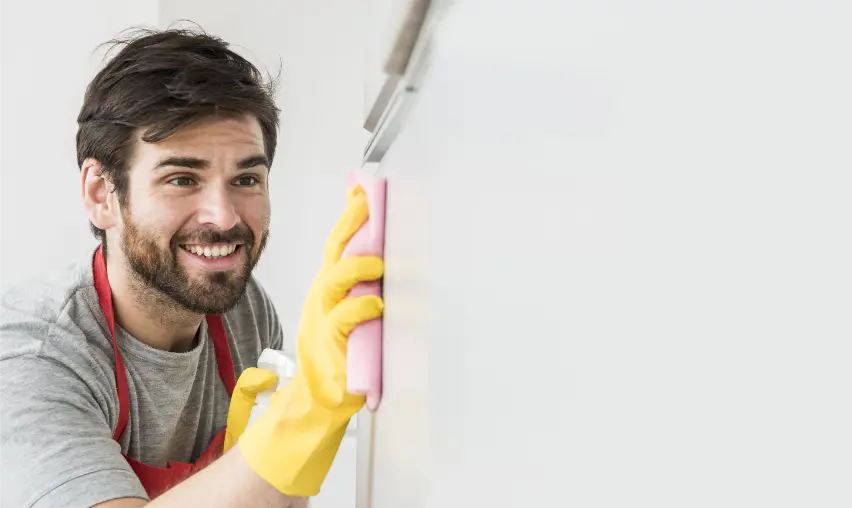
Even after the rains have ended, chronic dampness in the walls can encourage mold growth, therefore the property must be completely dried to avoid this. The central heating system, fans, heaters, and dehumidifiers can all be used to dry out the property, usually in conjunction with industrial-grade HEPA air scrubbers. Dehumidifiers and sufficient ventilation will help to minimise relative humidity in the home. Homes that have been severely flooded can take months to completely dry out. However, by taking the correct actions, you can keep your house as mold-free as possible.
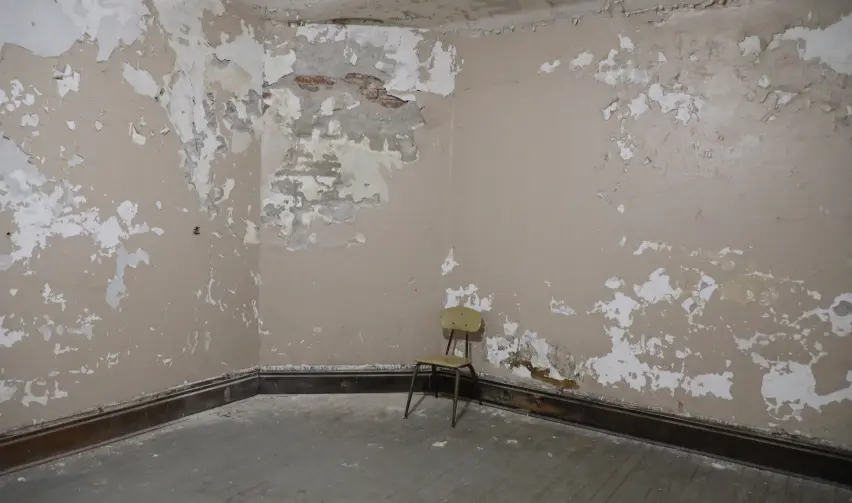
When your home and belongings are affected by mold, it is always better to get rid of those badly affected, at least for the sake of your health. If there is severe flood damage, plasterboard and flooring must be totally removed or demolished. Wet furnishings and possessions that cannot be salvaged must also be discarded. This is necessary because these can harbour mold and germs that are hazardous to one’s health.
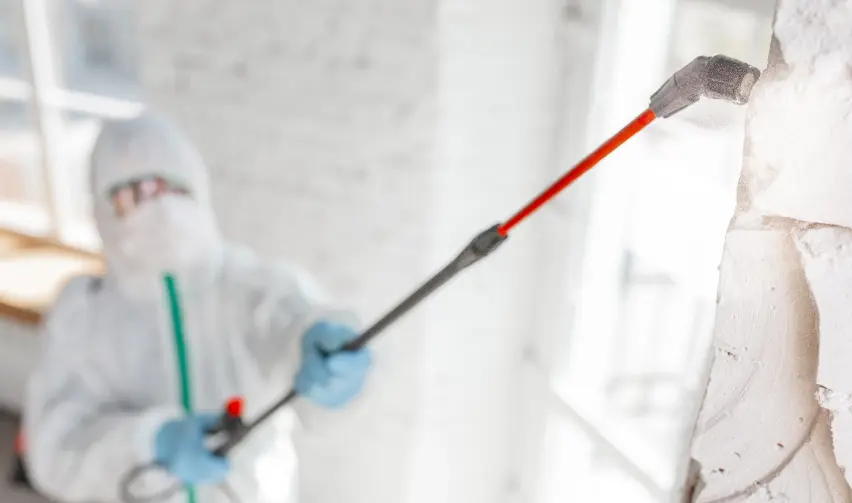
Use a 5% hydrogen peroxide solution (ideally combined with surfactants to help the hydrogen peroxide penetrate the mold). Surfactants are compounds that act as wetting agents and promote the permeation of a product. Spray the solution on all hard surfaces generously. Using a scourer or heavy-duty cloth, carefully rub in to avoid disturbing the mold. No need to rinse. Allow it to dry naturally. This will eliminate any existing mold. Repeat the same steps two days later. Any untreated spores will have multiplied by this time and will be killed by this application
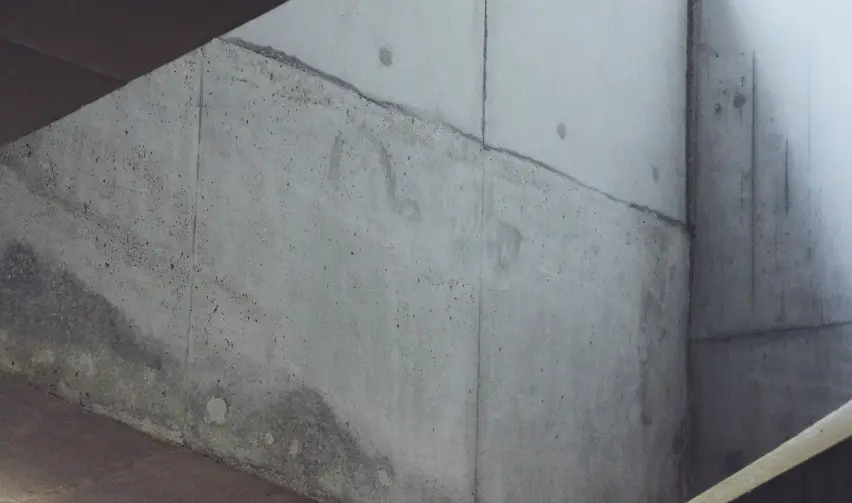
Mold growth is mostly influenced by wetness, so it's critical to keep your home dry at all times. Mold prevention requires a relative humidity level of less than 60% inside. Mold thrives in environments with RH levels of 70% or higher (for long periods of time). A hygrometer can be used to keep track of your home's humidity levels. If humidity is a recurring issue in your house, a dehumidifier is your best chance to fully eliminate dampness and eliminating mold. And if things get out of your hand you should approach a well-known cleaning expert.

